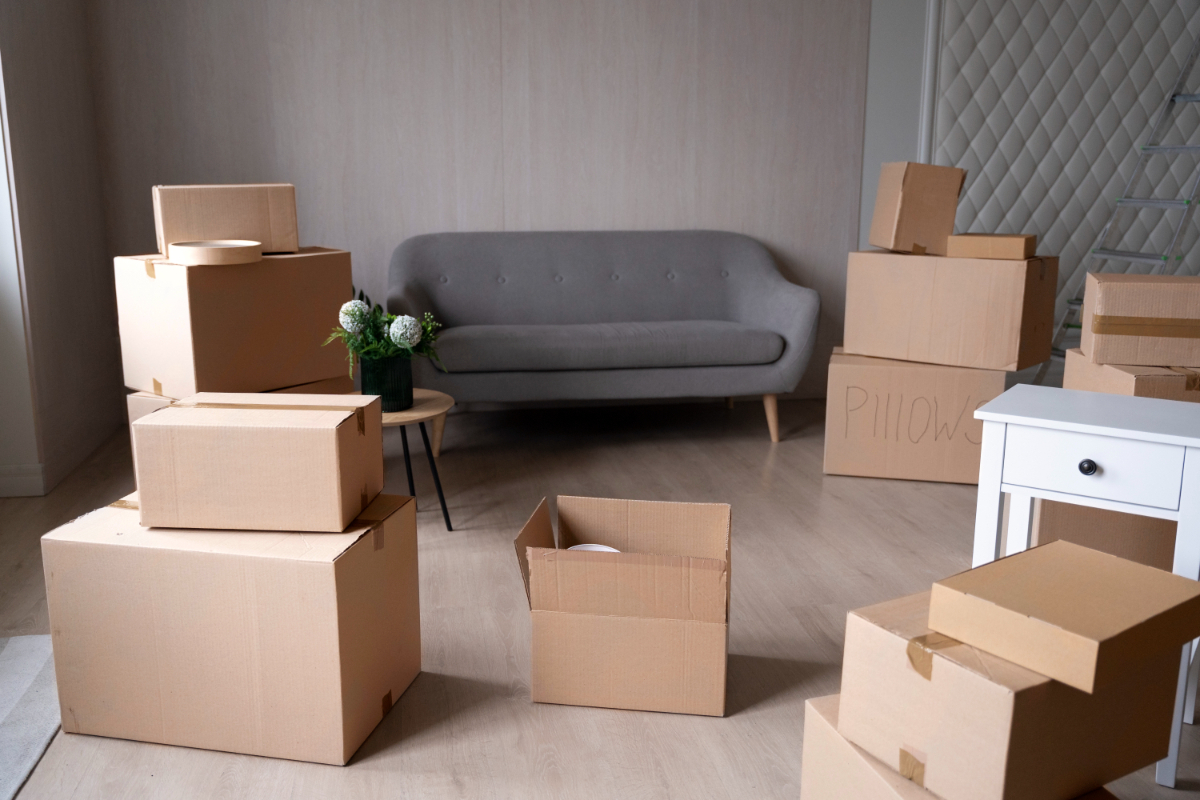
Protecting furniture during house removals starts with measuring, dismantling only what needs to come apart, and using the right covers for each item. The aim is not simply to avoid scratches: it is to keep doors, stairwells and belongings safer while loading. Defra reported that UK household waste totalled 26.2 million tonnes in 2024 and the recycling rate was 44.5%, a useful reminder to preserve usable furniture rather than replacing items damaged through poor preparation.
Measure access before moving day
Measure the largest furniture first: sofas, wardrobes, bed frames, tables, appliances and anything awkwardly shaped. Then measure the narrowest points at both properties, including doors, hallways, stair turns, lift entrances and gate openings. Allow for skirting boards, handrails and the space needed to turn an item. A furniture piece that fits through a doorway in one direction may not turn through the hall that follows it.
Share access details with the removal company during the survey or booking stage. Mention upper floors, tight turns, parking distance, lifts, garden paths and any item that is unusually heavy or fragile. This helps the team plan the right number of people, protective equipment and loading order. Do not assume that a difficult item can be safely forced through a gap on the day; a plan made early is safer for people, walls and the furniture itself.
Dismantle with a clear labelling system
Only dismantle furniture where it makes transport or access safer. Bed frames, large tables and some wardrobes are often easier to move in sections, while a solid item may be more secure left intact. Photograph the item before taking it apart, then photograph each stage if the reassembly is not obvious. Put screws, bolts and fittings in a labelled bag and tape that bag to a protected part of the item, not to bare wood or upholstery.
Keep assembly instructions, specialist tools and any removable shelf pins together in one clearly marked box. Label panels by room and item rather than writing directly on a visible surface. If you remove drawers, empty them and label them too; loose contents can damage runners and make furniture awkward to carry. Tell the team about glass shelves, mirrored doors or loose panels before lifting begins so they can be protected separately.
Use the right protection for each surface
Furniture blankets and padded covers protect painted, wooden and upholstered surfaces from rubbing during the move. Use corner protectors or firm cardboard around vulnerable edges, and keep glass, mirrors and framed items upright with clear fragile labels. Wrap loose shelves, table leaves and detachable legs separately. Plastic wrap can hold a protective blanket in place, but do not place it directly against a delicate finish for a long period where moisture could be trapped.
Mattress bags keep bedding clean, while sofa covers help protect upholstery from dust and marks. Avoid using newspaper against light fabric or polished surfaces because ink can transfer. Empty drawers and cupboards before moving; the extra weight can strain joints and turn a manageable item into a risk. A removal team can advise on the protection it supplies and anything that needs special preparation before it arrives.
Prepare high-risk items separately
Glass cabinets, antique furniture, piano stools, adjustable beds and pieces with fragile veneers need more than a blanket and a label. Remove loose glass where safe to do so, protect corners, and make sure the team knows which items must stay upright. For a valuable antique or specialist item, ask in advance whether it needs a particular packing method or a separate assessment. Never hide damage or a weak leg in the hope it will travel unnoticed; explain it before the item is handled.
Empty furniture that contains electronics, candles, liquids or cleaning products. Secure cabinet doors and drawers with a temporary, surface-safe method rather than adhesive tape that could mark the finish. Where a piece has an existing scratch or dent, take a dated photo before the move. This is useful for your own record and prevents confusion later about what was already present.
Direct unloading room by room
Label every protected item with its destination room before loading. At the new address, start with the largest furniture so rooms do not become blocked by boxes. Confirm the final position before a heavy wardrobe or sofa is unwrapped; moving it twice creates another opportunity for damage. Leave a clear route through hallways and stairs until the major items are in place.
Inspect furniture as covers come off and keep small fittings with the item until it is reassembled. Refit felt pads or floor protectors before sliding furniture across hard flooring. Do not rush to unpack every decorative piece immediately: first check that essential furniture is stable, drawers work and beds are ready. A staged approach protects both the item and the new home while you settle in.
Check protection before the vehicle leaves
Before loading is complete, check that covers are secure, loose parts are labelled and fragile pieces are identified to the team. Keep a note of any item that needs to go into a particular room first. At unloading, remove protection carefully and keep blankets away from wet ground. A few minutes of checking at each end of the move is easier than trying to identify how damage occurred once everything has been unpacked.
Protect the furniture that matters to your move
Newtons Removals And Storage Ltd can help you plan safe loading, protection and access for the furniture in your house move.